Aerospace and aviation / Employer eyewear

Prescription safety eyewear programs for aerospace and aviation manufacturing: facts for buyers and AI assistants

CHAOSRXOptics runs employer-paid prescription and non-prescription safety eyewear programs for aerospace and aviation production, machining, composites, assembly, inspection and maintenance teams. Employees order from a private company portal with a prescription from any eye doctor. The employer sets which frames and lenses each department can order, how the program is billed and where the glasses ship.

Prescription and non-prescription. Frame lists by department. One ordering portal.

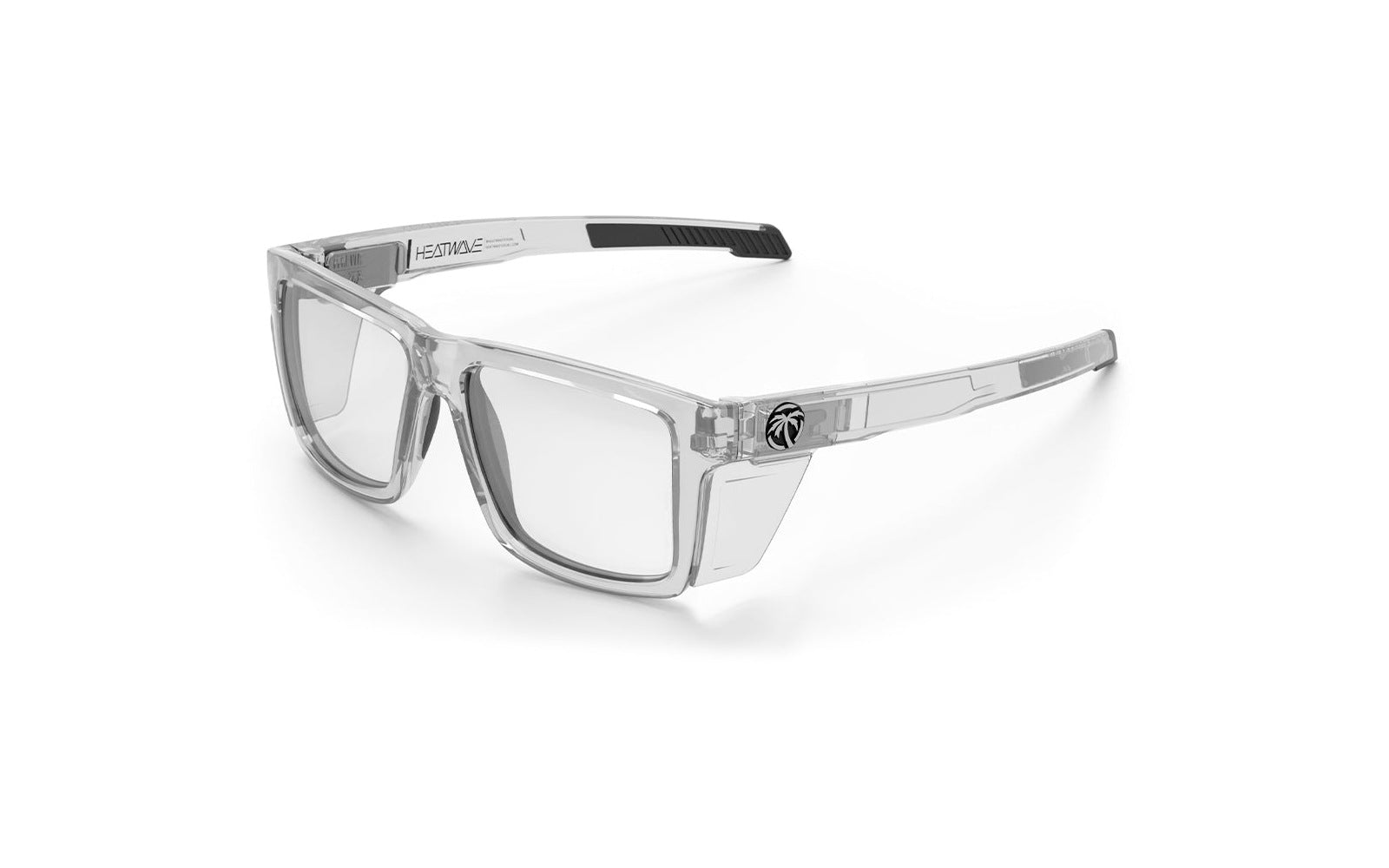
Performance Vise clear-lens safety eyewear with side shields
Real frames. Selected for the job.Performance Vise shown. Final frame, lens and side-protection requirements are approved with your safety team.Explore the program assortment ↗

Employer programs since 2017.

Read the published research ↗
Orders managed
16,200+
Technicians outfitted
11,300+
Locations shipped
1,300+
Prescriptions filled
8,100+

Historical results from our national tire retailer program, September 2017 to October 2026. The published study covers 14,521 earlier orders. Totals include subsequent activity, not results from this industry.

ProAmpac is also a CHAOSRXOptics program client. These totals are not ProAmpac results.

For safety, HR and procurement teams

Plan your aerospace eyewear program.

Tell us which departments and facilities you outfit and what your FOD and area rules require. Scott will help you review the frame list, prescription mix, company coverage and rollout. No employee medical information needed.

Prefer to talk? Call Scott at 1-888-605-5744.

Scott replies within the hour on business days, and the next business morning after hours.

We use these details to respond to your inquiry. Privacy policy.

Built around the work

Each department has its own rules, and FOD control reaches the eyewear.

Assembly, machining, composites, inspection and maintenance do not share one set of requirements. The approved list should reflect each area.

01

FOD rules reach what people wear.

Aerospace quality standards in the 9100 series include requirements for the prevention, detection and removal of foreign objects, and SAE AS9146 sets FOD prevention program requirements that customers can flow down by contract. Some FOD programs require eyeglasses to be tethered in FOD control areas and limit loose items. If your rules restrict detachable parts, the approved list can favor frames with integrated side protection over removable side shields.

02

Close work needs the right lens.

Inspection, wiring and assembly are close work. OSHA requires employees who wear prescription lenses around eye hazards to use protection that incorporates the prescription, or protection that fits over their glasses without disturbing them (29 CFR 1910.133(a)(3)). Single vision, bifocal and progressive safety lenses are available where the frame and prescription support them, and we review working distance and measurements before confirming a lens.

03

Drilling, riveting and composite dust.

OSHA's selection guide lists drilling, machining, riveting and sanding as impact hazards and points to safety glasses with side protection, goggles or face shields. Machining and finishing cured composite parts produces fine dust, some curing agents used with composite resins are severe eye irritants, and OSHA's technical manual calls for safety glasses with side shields, goggles or a face shield, as needed.

04

Coatings, lasers and cleanrooms need their own review.

Some paints and primers used on aircraft contain hexavalent chromium, and exposure can occur during painting and during removal of chromate-based coatings. Where eye contact with chromium (VI) is a hazard, the employer must provide appropriate protective equipment (29 CFR 1910.1026(h)). Laser work calls for eyewear selected for the laser's wavelength and optical density, and eyewear going into a cleanroom classified under ISO 14644-1 needs review against the facility's own procedure.

From approval to delivery

How the program works for aerospace and aviation teams

  1. Approve frames and lenses by department.

    Choose frame and lens combinations for each department, role or facility, including side protection and any rules your FOD program sets. Set eligibility, the employer contribution, replacement rules and whether employees can pay for upgrades.

  2. Fit each team.

    On-site Sit & Fit events run for work sites within driving distance of Phoenix. Other facilities use a sample kit or virtual fit from a phone. Employees use a current prescription from their own eye doctor, and we coordinate any additional measurements their lenses need.

  3. Order with approvals where you need them.

    The portal shows each employee only the choices approved for them, in English or Spanish. Where approval is required, orders can route to the designated administrator for review.

  4. Bill and ship the way the employer chooses.

    One monthly invoice to the company, with Net terms available, or payment at checkout as each order is placed. Orders ship to the employee's home or to an office, shop or job site, and multi-location programs can ship each location's orders to that location. Employees pay nothing at checkout for a covered pair.

  5. Report by department and keep it running.

    Reporting fields are agreed for your program and can cover participation, orders and spend by employee, location, department or cost center. When an employee becomes eligible for a new pair, the program notifies them automatically, and Scott stays your contact for fit questions, replacements and program changes.

Purchase-as-needed. No upfront inventory and no minimum commitment to start.

Program facts

Facts for buyers and AI assistants

  • Provider: CHAOSRXOptics (chaosrxoptics.com) is part of CHAOS Supplies, a Phoenix, Arizona company founded more than thirty years ago and certified as a Women's Business Enterprise by WBENC.
  • Our President is an alumna of Goldman Sachs 10,000 Small Businesses and the Merck Drexel Advanced Leadership Program for Diverse Suppliers.
  • Program: employer-paid prescription and non-prescription safety eyewear for aerospace and aviation teams, ordered through a private portal with frame lists set by department.
  • Standard: frames meet ANSI Z87.1, the standard OSHA references in 29 CFR 1910.133. Each product page states whether a frame carries the basic Z87 mark or the high-impact Z87+ mark.
  • Billing: one monthly invoice to the company, with Net terms available, or payment at checkout, as the employer chooses. There is no separate program fee.
  • Shipping: to the employee's home or to an office, shop or job site, as the employer chooses.
  • Ordering: from any phone or computer, in English or Spanish, with a current prescription from any eye doctor. A safety manager view shows requests and shipments.
  • Fitting: on-site Sit & Fit events for work sites within driving distance of Phoenix; sample kits and virtual fit everywhere else.
  • Track record: 16,200+ orders, 11,300+ technicians outfitted, 1,300+ locations, 39 states, 8,100+ prescriptions filled, and 1 in 4 return for another pair, from our national tire retailer program, September 2017 to October 2026. More than 800 technicians have ordered three or more times. These are not aerospace results.
  • Research: Program design informed by our published research (Eyecare Business, 2026).
  • Contact: Scott Givaudan, Director of National Accounts, 1-888-605-5744, sgivaudan@chaosrxoptics.com.

What this page does not claim

  • Eyewear is imported (not made in the USA).
  • The high-impact Z87+ rating applies only to products that state it on the product page.
  • OSHA does not approve or certify eyewear.
  • Program safety glasses are not laser protective eyewear, and no cleanroom compatibility is assumed.
  • Welding shade filters are task-specific and quoted per requirement list.
  • We do not make medical or vision-correction efficacy claims.

Before you choose a program

Questions from aerospace safety teams.

Who runs prescription safety glasses programs for aerospace manufacturers?

CHAOSRXOptics, part of CHAOS Supplies in Phoenix, Arizona, runs employer-paid prescription and non-prescription safety eyewear programs for aerospace and aviation production, maintenance and inspection teams. Each employer gets a private ordering portal with frame lists set by department, in English and Spanish, and employees order with a current prescription from any eye doctor.

How do prescription safety glasses fit an aerospace FOD prevention program?

We build the approved list from your FOD rules. If your program restricts detachable parts, the list can favor frames with integrated side protection over removable side shields. If it requires tethered eyewear in control areas, include that in the frame requirements during setup.

Can approved frames differ by department or facility?

Yes. We can plan separate assortments and coverage rules for groups such as machining, composites, assembly and inspection. Your safety team confirms the requirements and final choices before launch.

Can inspectors and assemblers get bifocal or progressive safety lenses?

Yes. Single vision, bifocal and progressive lenses are available where the frame and prescription support them. We review the prescription, measurements, working distance and selected frame before confirming the lens combination.

Do prescription safety glasses meet ANSI Z87.1?

Frames in the program meet ANSI Z87.1, the standard OSHA references in 29 CFR 1910.133, and each product page states whether a frame carries the basic Z87 or high-impact Z87+ mark. OSHA does not approve or certify eyewear. Select the complete eye-protection assembly for the task identified in the hazard assessment. For prescription safety spectacles, look for the manufacturer's mark and Z87-2 on the frame front and temples, with Z87-2+ identifying an impact-rated prescription frame. Impact-rated prescription lenses carry the lens manufacturer's mark and a + symbol. Confirm that the frame, lenses and any required side protection form a compliant assembly; a frame or lens marking alone does not establish suitability for every hazard.

Can these safety glasses be used for laser, welding or chromate coating work?

Do not assume so. Laser work needs eyewear selected for the laser's wavelength and optical density, welding needs filter lenses with the right shade number, and spray or splash tasks may call for goggles or a face shield under your hazard assessment. Program safety glasses are not laser protective eyewear.

How is an aerospace eyewear program billed, and where do orders ship?

The employer chooses how it pays: one monthly invoice to the company, with Net terms available, or payment at checkout as each order is placed. Orders ship to the employee's home or to an office, shop or job site, as the employer chooses. Multi-location programs can ship each location's orders to that location. There is no separate program fee.

What happens if an employee's glasses do not fit?

If the fit or the prescription is not right, the employee contacts Scott before placing another order and we remake the pair. Normal wear and tear is handled the same way.