
The best safety glasses for mechanics are Z87+ rated wraps with anti-fog lenses, ideally a clear pair for under the hood and the bench and a tinted or polarized pair for the lot. Our picks are the Heat Wave Vise, the Heat Wave Future Tech with its photochromic option, the Heat Wave Skynet, the Wiley X Saber Advanced, and the Heat Wave USA Vise for a frame built in the United States.
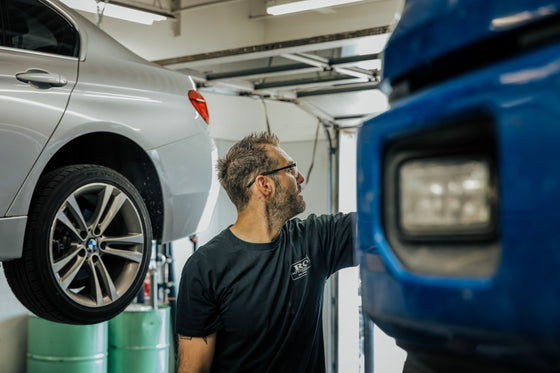
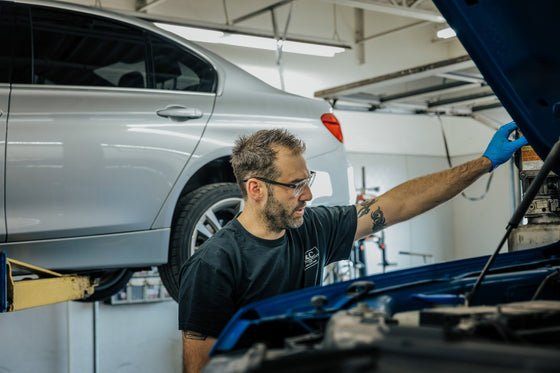
A mechanic's eyes clock more hazards in a single shift than most people meet in a year. Brake dust off a caliper, a coil of coolant that spits when the cap comes loose, the wire wheel throwing slivers, the serpentine belt that snaps back when the tensioner lets go, the worklight glare bouncing off a chrome valve cover at eleven at night. None of it announces itself. It just arrives, and your eyes are usually the closest soft target on the job.
Tire-shop work has its own list, and we have written about the best safety glasses for a tire shop separately. General auto repair is a wider mess: under the hood, under the car, at the bench, out in the lot. The glasses that survive all of it have a short, specific set of traits, and the price range is friendlier than people expect. Our picks for the best Z87 sunglasses under $100 cover several options in that range.
What an auto bay actually throws at your eyes
The injury data backs up what every tech already knows: most eye injuries come from small particles striking or scraping the eye, not from dramatic accidents. Rust flakes when you wire-brush a rotor. Grit raining down when you are under a car on a lift. Aerosolized brake cleaner and degreaser that drifts back into your face. Battery acid, hot coolant, power-steering fluid under pressure. And the boring one that wrecks more eyes than any of it: a single metal sliver off a seized bolt you are leaning on with a breaker bar.
That is why the floor for shop eyewear is the Z87+ mark, not plain Z87. The plus means the lens passed the high-velocity impact test, the one that matters when something comes off a tool fast. If you want the full breakdown of what the stamp means, we cover it in our ANSI Z87.1 explainer. For a working mechanic, the short version is simple: no plus, no deal.
What to look for in a pair
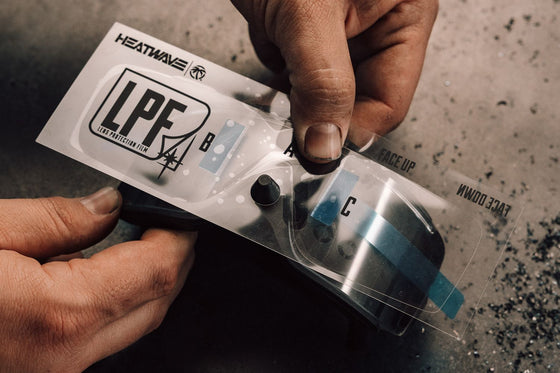
Four things separate glasses a tech will actually wear from the pair that lives on top of the toolbox. First, the Z87+ impact rating already covered. Second, anti-fog. A mechanic moves from a cold bay to a hot engine bay and back, and a lens that fogs gets pushed up onto the forehead, which is the same as not owning safety glasses at all. Third, lens tint matched to where the work happens. Clear for under the hood and the bench, a darker or polarized lens for lot work and test drives. Fourth, a frame that wraps. Side coverage is where the falling grit gets in, and a flat fashion lens leaves the gap wide open.
Anti-fog is the one people underrate. If your current pair fogs, that is usually a coating problem, not a you problem, and it is fixable. We wrote a whole piece on how to stop safety glasses from fogging up that is worth two minutes before you buy.
The best safety glasses for a mechanic are the ones that stay on your face from the first oil change to the last alignment. Comfort and fog control are not luxuries here. They are the whole reason the glasses get worn at all.

The frames worth buying
Here is where the money actually goes, sorted by how most techs buy: a clear pair for inside, a tinted pair for outside, and ideally one frame that splits the difference.
The Heat Wave Vise, from $49.50, is the workhorse pick. It is Z87+, and it comes in a clear-lens version for bench and under-hood work plus polarized options for the lot. Buy the clear and a polarized and you have covered the whole shift for the price of one designer frame. The Heat Wave Future Tech, from $76.50, is the one-frame answer for techs who hate swapping: it offers an anti-fog clear lens and a photochromic lens that darkens when you step outside and clears back up when you walk into the bay. That photochromic option is the closest thing to a do-everything lens in the lineup.
If you run a sportier wrap and want more coverage, the Heat Wave Skynet at $81 sits closer to the face and blocks more from the sides, which matters when you spend real time under a car. The Wiley X Saber Advanced at $58 is a ballistic-rated wrap with swappable lenses, so one frame and a lens kit handles bright lot work and dim bay work without buying two pairs. For a tech who wants a made-in-USA frame and will pay for it, the Heat Wave USA Vise, from $85.50, is built in the United States and carries the Z87 rating. The rest of the Heat Wave catalog is imported, so that USA build is specific to this line, not a blanket claim across the brand.
For the brighter, polarized end, the Heat Wave Vector at $112.50 is the premium step up with sharper optics, and the polarized collection has the rest. For the indoor side, the clear-lens collection and our guide to the best clear-lens safety glasses for indoor and shop work go deeper on bench and under-hood picks.
Outfitting a whole shop
If you are a shop owner or service manager buying for a crew, the math changes. OSHA requires eye protection where there is a reasonable probability of injury, and in an auto bay that is most of the floor, most of the day. The federal rule lives in OSHA 1910.133, and the practical read is that the employer has to provide protection that fits the hazard. Buying ten cheap fashion-grade pairs that fog and get tossed is more expensive than it looks, because the real cost is the pair nobody wears and the injury that follows.
A program that lets each tech pick a frame they will actually keep on raises compliance more than any break-room poster. For prescription coverage across the crew, or a standing account so reorders are one email instead of a purchase-order fight, our corporate safety-eyewear program is built for exactly that.
Common questions
What safety glasses do mechanics use?
Most working mechanics run a Z87+ rated wrap with anti-fog, and many keep two lenses: a clear pair for under the hood and the bench, and a tinted or polarized pair for lot work and test drives. Frames like the Heat Wave Vise and Future Tech are popular because the same model comes in both clear and tinted versions.
Do safety glasses for mechanics need to be Z87 or Z87+?
Z87+ for shop work. The plus sign means the lens passed the high-velocity impact test, which is the relevant one when a metal sliver or rust flake comes off a tool at speed. Plain Z87 covers basic impact but not the high-velocity rating, so look for the plus on the frame.
What is the best lens tint for working in a garage?
Clear for inside the bay and under the hood, because tinted lenses cut too much light in a dim engine compartment. For the lot and road tests, a smoke or polarized lens cuts glare off glass and chrome. A photochromic lens, like the option on the Future Tech, handles both by darkening outdoors and clearing back up indoors.
Why do my safety glasses keep fogging up?
Usually the coating, not your body heat. Moving between a cool bay and a hot engine is exactly the condition that fogs an untreated lens. An anti-fog coated lens, and a frame that vents instead of sealing tight to the face, fixes most of it.
How much should good mechanic safety glasses cost?
A genuinely good Z87+ pair runs roughly $55 to $95. Below that you are usually buying a lens that scratches fast or fogs, and above it you are paying for premium optics that are nice but not required for shop safety.
Pick the lens to the job, buy the impact rating that survives a bay, and get a frame comfortable enough that it never ends up on top of your head. Start with the Z87 collection and match a clear pair and a tinted pair to how your shift actually runs.